2026-09-17
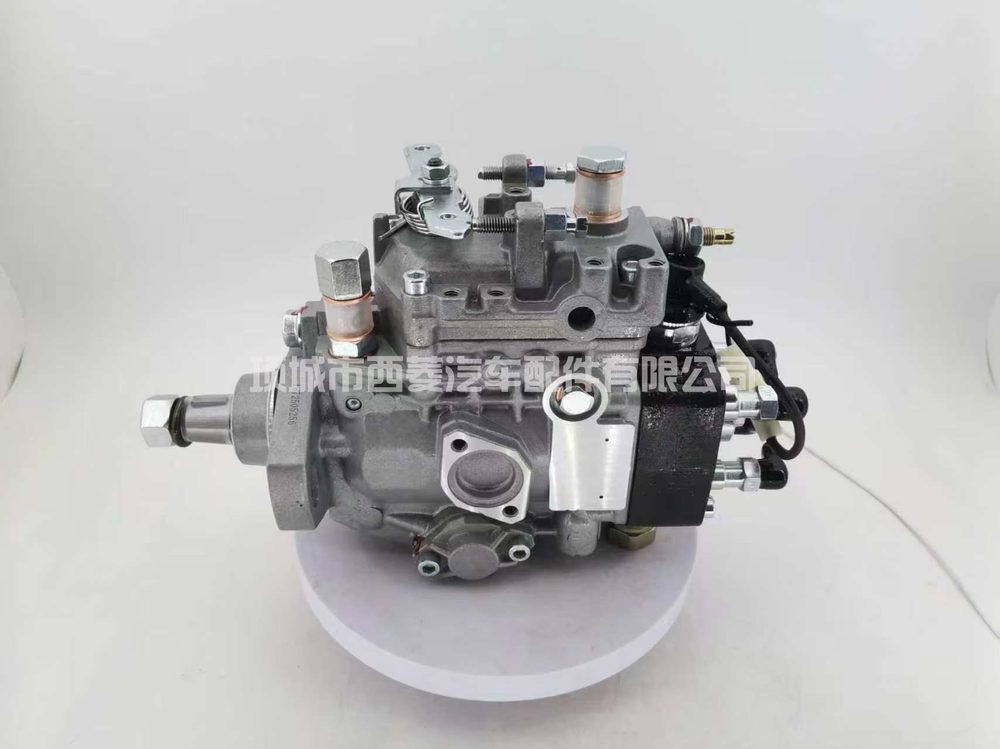
Common rail components are manufactured to clearances measured in microns and rely on the fuel itself for lubrication. That combination makes them extraordinarily tolerant of pressure and almost uniquely intolerant of contamination. Most premature failures in this category trace back to what went through the system rather than to a defect in the component.
Water is the most damaging contaminant. It causes corrosion on precisely finished surfaces, and under the pressures a common rail system generates it can erode material outright. Water also removes the lubricating film that the pump and injectors depend on, so the damage is mechanical as well as chemical. Symptoms include rough running, corrosion visible on internal parts at teardown, and in cold climates starting problems from ice in the system.
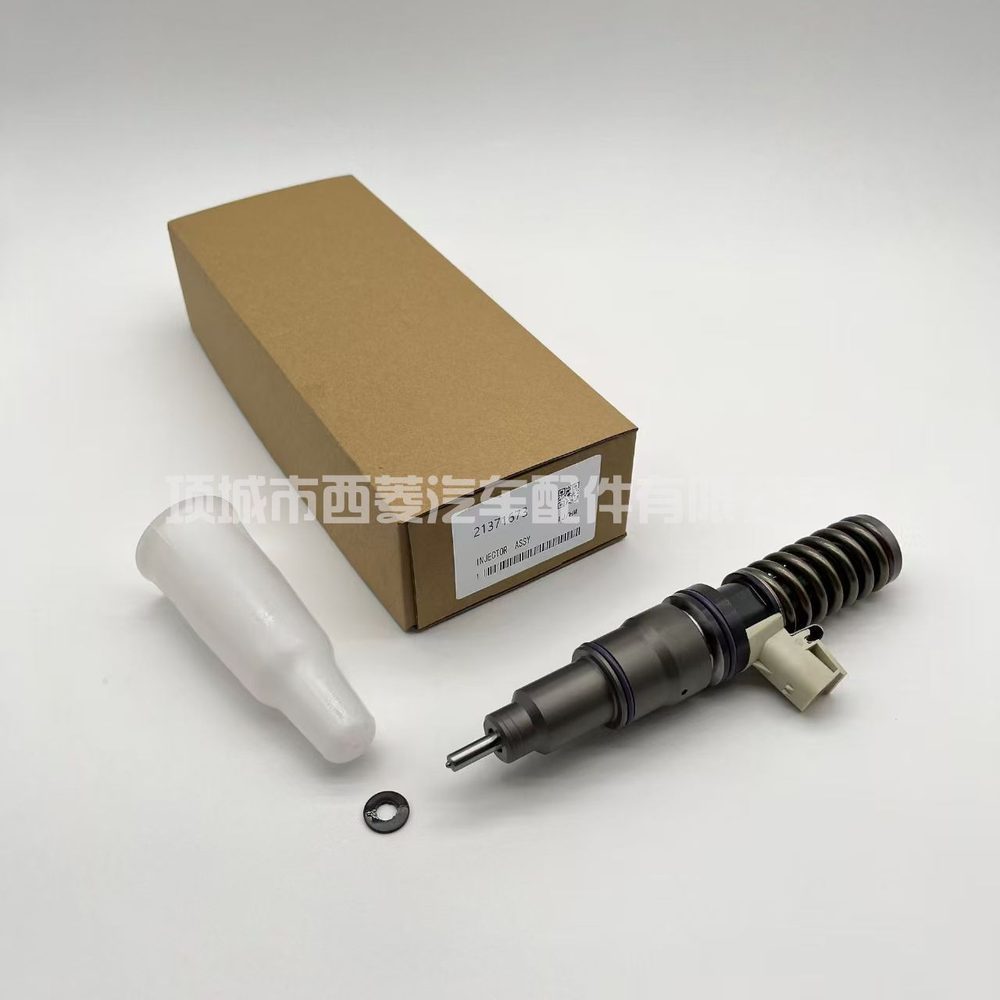
Particulate contamination works differently but ends similarly. Hard particles score the plunger and barrel assemblies and erode nozzle seat faces. Once a sealing face is scored, delivery and spray pattern are compromised permanently; no amount of cleaning restores it. The usual source is not the fuel supplier but the machine's own tank — condensation, degraded seals on the filler, or contamination introduced during refuelling from a dirty container.
Misfuelling — petrol into a diesel system — is a special case because it attacks lubrication directly. Petrol is a solvent, not a lubricant. Even a small proportion can leave the high-pressure pump generating metal debris, which then travels through the rail and into the injectors, spreading the damage well beyond the original fault.
The practical response in every contamination case is the same, and it is where repairs most often go wrong: replacing the failed component is not sufficient. The tank must be drained, the lines flushed, the filter or filters replaced, and in a serious case the rail itself cleaned or replaced. Fit new components into a contaminated system and they will be damaged in short order — the failure will be blamed on the parts rather than on the system they were installed into.
Prevention is unglamorous and effective: drain the water separator on schedule, change filter elements on hours rather than on appearance, keep the filler cap seal in good condition, and use a clean dedicated container when refuelling from a drum. For machines that stand idle for long periods, keeping the tank reasonably full reduces the condensation that starts the whole problem.
One honest note on warranty: contamination damage is not a manufacturing defect, and no supplier's warranty covers it. If a replacement unit fails shortly after fitting and the system was not cleaned at the same time, the cause is almost always the system rather than the part.