2026-09-17
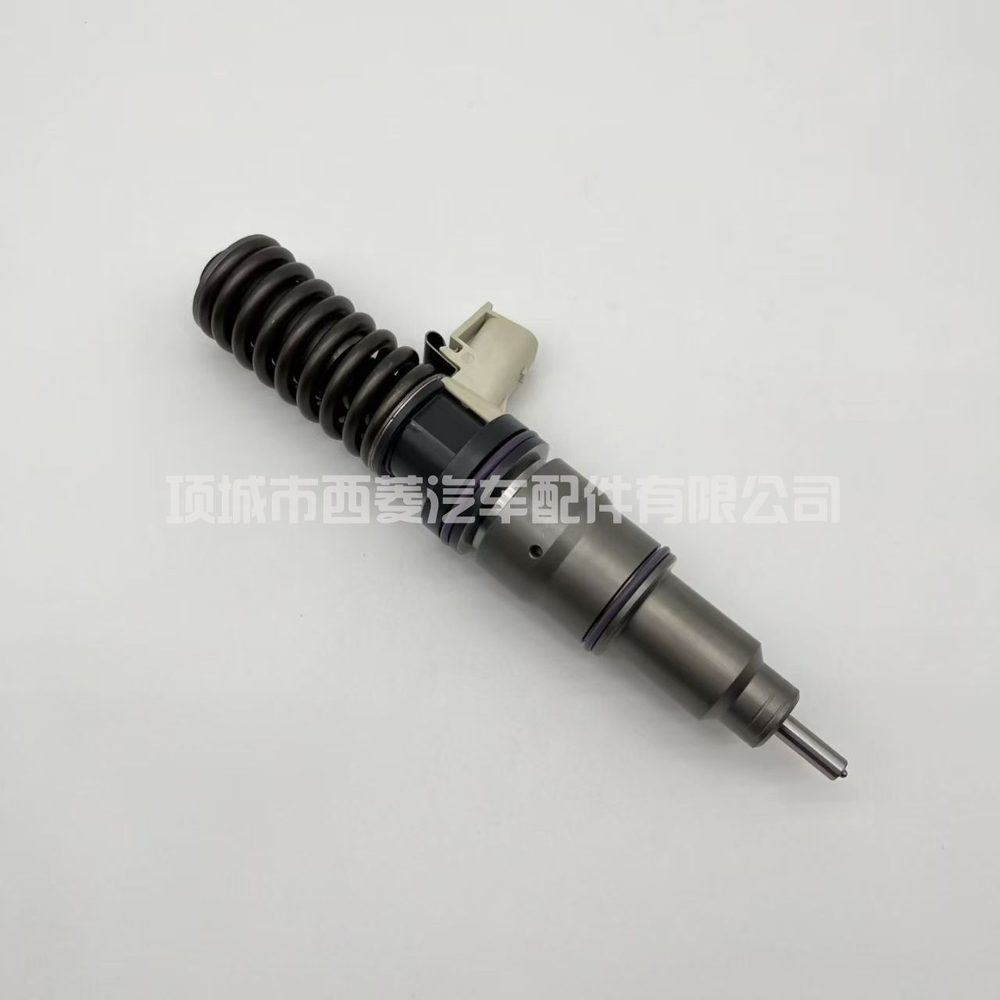
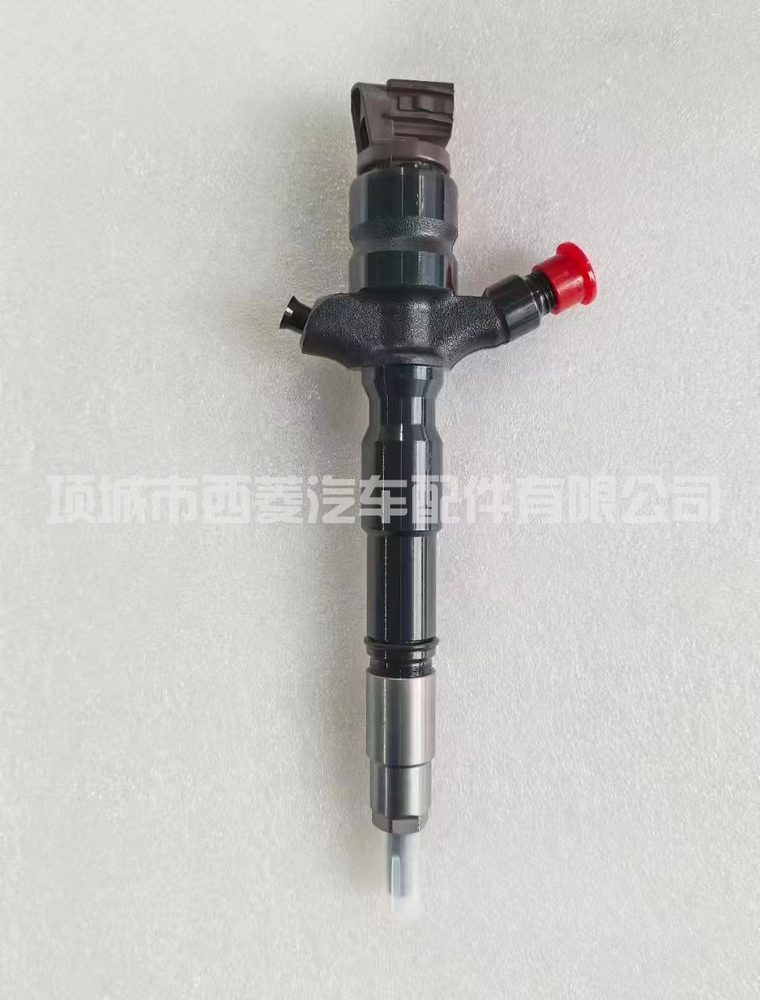
A worn common rail injector rarely announces itself with a fault code. What it produces instead is a cluster of symptoms that owners tend to describe separately: it takes longer to start in the morning, the idle is not as smooth as it was, there is smoke that was not there last season, and consumption has crept up without any change in the work the machine is doing.
The reason is straightforward. The injector is the component that decides both how much fuel enters the cylinder and how finely it is broken up. Once either of those drifts, combustion becomes incomplete. The engine keeps running, which is exactly why the fault is easy to live with for months, but it is burning fuel badly the whole time.
Typical indicators include hard starting when hot, rough or unstable idle, white smoke at start-up that clears as the engine warms, black smoke under load, a sharp metallic knock from one cylinder, increased fuel consumption, and in some cases diesel ending up in the sump from an injector leaking internally. That last one deserves immediate attention — fuel-diluted oil is a bearing problem waiting to happen.
The difficulty is that almost every one of those symptoms has other causes. Low compression, a sticking wastegate, a boost leak, a failing EGR valve and a blocked air filter all produce smoke and power loss. Replacing injectors on a guess is an expensive way to discover the fault was elsewhere.
Two checks resolve most of the ambiguity, and neither requires dismantling anything. The first is a return-flow or back-leakage test: with the return lines disconnected and the engine cranked or idled, the volume returning from each injector is compared. An injector returning far more or far less than its neighbours is not metering correctly. The second is a cylinder cut-out test on a diagnostic tool — switching each injector off in turn and watching which cylinder makes no difference to running quality identifies the culprit directly.
Worth checking the supply side at the same time. A restricted filter, a tired lift pump or air being drawn into the suction line will starve the rail and produce symptoms very similar to injector wear. Confirm supply condition before condemning the injectors, because it is far cheaper to fix.
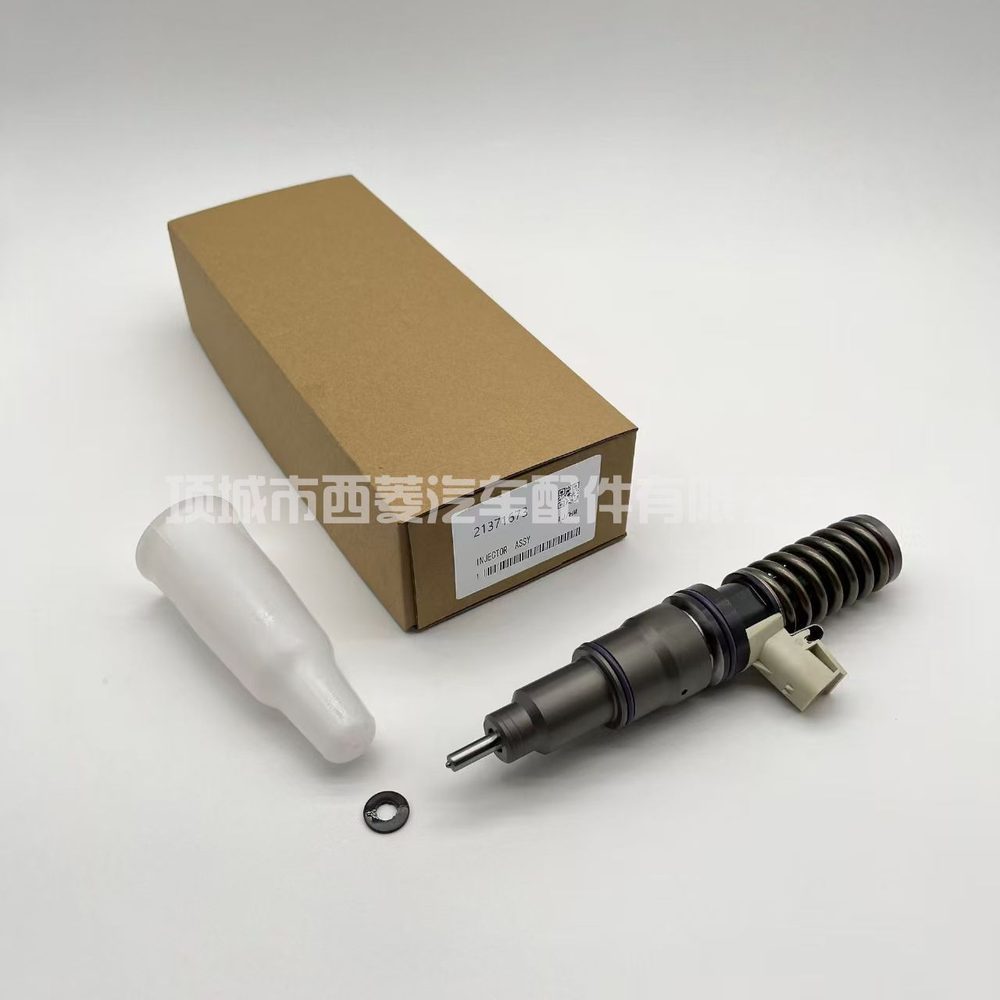
On replacement, the practical question is whether to change one injector or the set. Injectors on the same engine wear together, and a single new unit will deliver differently from the worn ones around it — which frequently reproduces the rough running you were trying to eliminate. For most common rail engines, replacing as a matched set is the cheaper decision over the life of the repair, even though it costs more on the day.
Fitting notes that are routinely skipped: new copper sealing washers and seals every time, because a used washer rarely seals a second time; careful cleaning of the injector bore and seat; torque to the engine manufacturer's specification rather than by feel; and where the engine management stores injector classification or IQA codes, entering the new codes into the ECU after fitting, otherwise the engine cannot compensate correctly for the new units.